Manual Lymphatic Drainage Massage
I'm a MLDUK Registered Therapist
MLDUK maintains that high‑quality Manual Lymphatic Drainage should only be practised by therapists trained through recognised schools, that also requires for our education to be renewed every 2 years. The recognised schools include Vodder, Casley‑Smith, Földi (with close Training & Consulting), Leduc, and LTA Fill & Flush, can be on this register. These courses are only open to higher qualified massage therapists and healthcare professionals such as physiotherapists and nurses. I trained in the LTA Fill and Flush method.
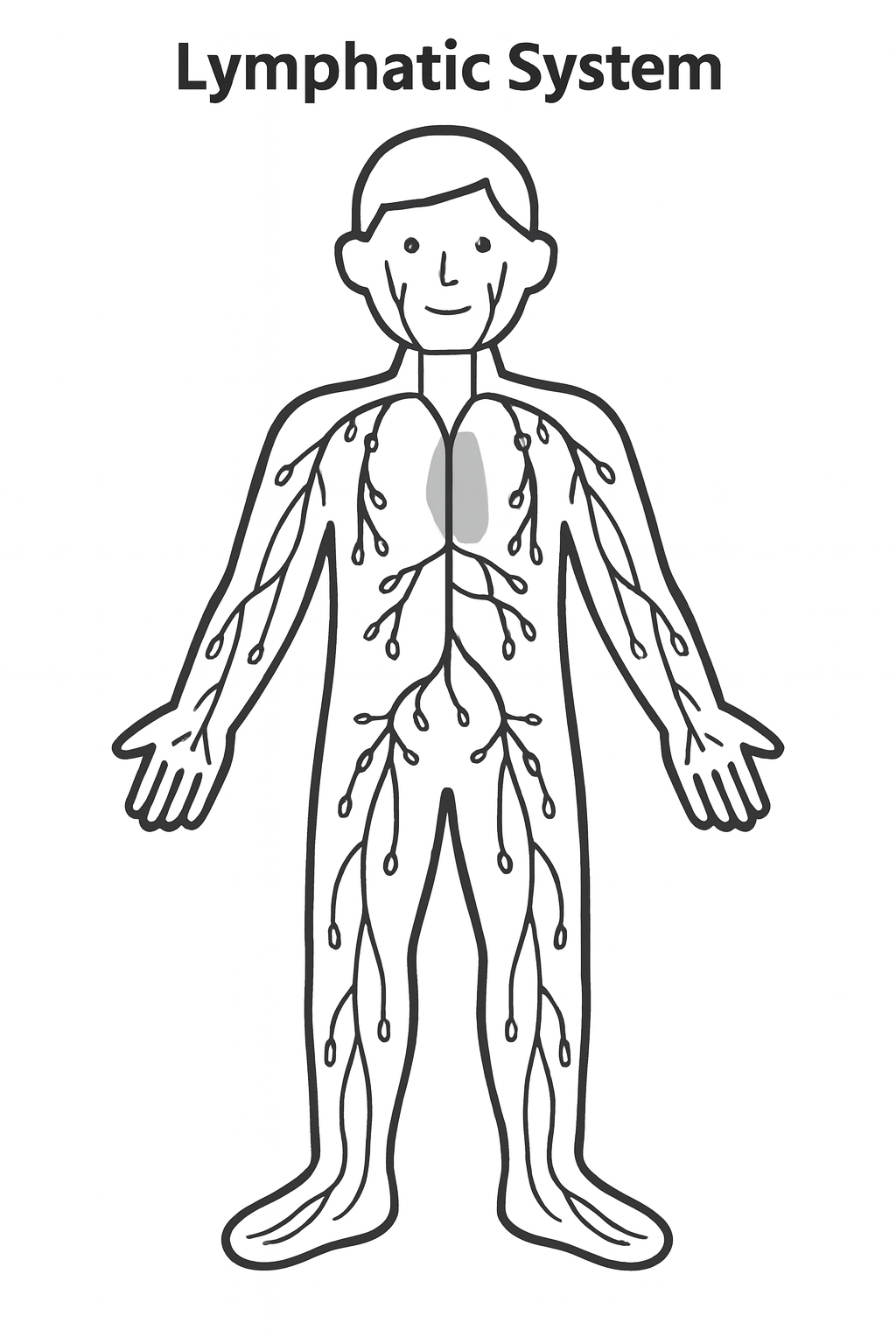
Manual Lymphatic Drainage Massage (MLD) and Lymphoedema management
Manual Lymphatic Drainage massage is not like any other massage, it is a completely different style and technique. MLD is a very, very gentle massage, it’s not a massage for your muscles, but purely for your lymphatic system. I only go 2mm into your skin as this is where your lymph capillaries are, your muscles are deeper. It is extremely gentle and feels wonderful and relaxing. Many clients will fall asleep or go into a highly relaxed state during their massage. This is due to the slow gentle rhythmic motions.
MLD massage relaxes the sympathetic nervous system which reduces pain and enhances the activity of the immune system.
Approximately 3 litres of lymph fluid is passed around and through your body each day. So if your lymphatic system is not functioning properly due to certain illnesses like lymphoedema, lipoedema, cancer, trauma from injury or post surgery to name a few, those 3 litres of fluid aren’t getting drained away efficiently. This is when you get a build up of fluid and get swelling around the injury/trauma site or most commonly around your hands, arms, feet and legs because the lymph capillaries have become blocked and backed up.
I’ve had special training in 2 different types of manual lymphatic drainage, learning how to unblock these sites and aid proper drainage of your lymphatic system so your body can complete its natural job of detoxifying itself.
I have been taught the Vodder method, The Vodder method is from Dr Emil Vodder. A method of Lymphatic drainage. While Dr Vodder and his wife (who was also a Dr) were working on the French Riviera treating patients with chronic colds, they noticed these patients had swollen Lymph nodes. In 1932 they began to study the lymphatic system, and developed careful, precise, rhythmic hand movements . These techniques stimulate the the movement of lymph through the lymph vessels, they spent 4 years researching this. Then they introduced this technique to the world in Paris, France In 1936. They dedicated the rest of their lives demonstrating and teaching this method. This method of precise hand movement that twists and gently stretches the skin to encourage the lymph to move is still taught today in it’s unaltered form.
I have also completed an extensive training course sepcialising in the management for manual therapitst of Lymphoedema. Where I learnt other techniques specifically for Lymphoedema. I trained at the Lymphoedema training academy in Stafford doing the Fill and Flush method which is Flouroscopy guided (FG-MLD). This means we know this method works in moving the lymph fluid because it can be seen on the screen in real time, when the patient has been injected with ICG fluid.
I also provide Deep Oscillation treatment that I can combine the 2 together to give you optimum results.
Manual Lymphatic drainage is an effective form of treatment of a wide variety of problems, not just Lymphoedema and Lipoedema including…
- Oedema
- Skin disorders
- Headaches/Migraines
- Sinus congestion
- Sprains and aches
- Stress, anxiety and tension
- Digestive disorders and for people suffering with excess weight
- Before and after surgery to remove tissue congestion and minimise scar formation. It is particularly useful for ladies who have had a mastectomy, to reduce oedema and fibrosis and to help relieve pain and tension.
- People who suffer regularly with colds and flu
- Glandular fever and ME (Chronic fatigue syndrome)
- Hay fever and other allergies
- Post cosmetic surgery
- Cellulite
- People who lead sedentary lifestyles and would like to reduce the puffiness or swellings around their legs, ankles and even puffy eyes
- Acne, Rosacea and other skin conditions, including scaring from surgery.
It also has a positive effect on…
- Dysfunctional respiratory systems
- People with low energy
- Before and after a long haul flight
Additionally…
- Boosts the immune system
- Can facilitate general feelings of health and vitality
- Positive physical effect, improving the appearance of the skin and reducing puffiness caused by water retention and poor circulation.
- Promotes the body’s own healing mechanisms
Please note MLD massage or any type of massage is not to replace medical treatment or advice, it is simply to be used as an aid.
Lymphoedema Management
Lymphoedema is a very manageable condition. Sadly currently there is no cure for it, but it is absolutely a managemable condition. As with anything, early detection and intervention is best.
The services I provide to help manage your lymphoedema is to check for no signs of infection, measure for compression garments, and make a suggestion to your GP which ones I feel are best suited for you and i ask your GP through patient choice services to prescribe them for you and to get them on repeat prescription every 6 months.
I then recommend for you to have regular MLD massages or Deep Oscillation therapies to further help aid with your swelling.
Lymphoedema Management: Factual Overview
Lymphoedema is a chronic condition caused by impaired lymphatic drainage, leading to protein‑rich fluid accumulation and swelling. Management focuses on controlling symptoms, reducing swelling, and preventing complications.
Core Management Approach: Decongestive Lymphatic Therapy (DLT)
DLT is the recommended, evidence‑based treatment and consists of four key components:
- Compression therapy using bandages or garments to move fluid out of the affected area and prevent further build‑up.
- Skin care to maintain skin integrity and reduce infection risk, particularly cellulitis.
- Exercise to stimulate lymph flow through muscle activity in the affected limb.
- Manual Lymphatic Drainage (MLD), a specialised massage technique that encourages lymph movement.
DLT typically begins with an intensive phase (often daily treatment for several weeks), followed by a maintenance phase. This could be daily MLD massages or daily multilayer compression bandaging with MLD massages. upon your first appointment I will assess you and together we will work out what is the best treatment plan for you. In sme cases you may need scar therapy as well as that can often be a cause for the swelling, The scar can block the lymphatic pathways.
Goals of Management
- Reduce and control swelling
- Improve comfort and mobility
- Prevent fluid build‑up
- Minimise complications such as infection or skin changes
Additional Considerations
- Lymphoedema may be primary (developmental) or secondary (e.g., cancer treatment, infection, trauma).
- Management is long‑term and often requires a combination of therapies for best results.
- Red‑flag symptoms such as suspected cellulitis, deep vein thrombosis, or acute limb ischaemia require urgent medical assessment.
Aftercare advice from having a MLD massage
- Loosen tight clothing to encourage the lymph flow (apart from your compression garments, you need to put these back on immediately afterwards for best results) – I recommend ladies to not wear a bra afterwards especially underwired ones as you have lots of lymph nodes and vessels in your breasts, a bra will compress these. You will need to allow your body to continue its natural process of eliminating your metabolic waste.
- Increase your water intake over the next few days after your treatment
- Reduce your caffeine intake
- Avoid alcohol for 24 hours
- Avoid hot baths, saunas etc, for 24 hours
- Try to reduce smoking or vaping (if you smoke/vape)
- Make time to relax after your appointment and rest, avoid strenuous activities – this allows for the blood pressure to return to normal if it has dropped during a treatment
- Eat a light diet, so that the body does not need to concentrate on a sluggish digestion.
Some people occasionally experience reactions when the body begins its self-healing process following a treatment. These reactions may include:
- Frequent visits to the toilet
- Runny nose and / or cough
- Slight rash as the skin re-balances
- Perspiration – an excretion process
- Conditions which have been suppressed may flare up temporarily before they heal
- Deep sleep or difficulty sleeping and vivid dreams
You will be glad to know that these reactions are only temporary and should clear within 24-48 hours. They are actually positive signals that your body has responded well to the treatment and is re-balancing itself and you should notice a positive difference afterwards.
Please ensure to put back on immediately your compression garments after your massage if you have lymphoedema or after surgery as you will get better results for doing this. If you have chronic swelling like lymphoedema, MLD alone will not be enough, as the faulty lymph vessels will just fill straight back up again. The compression is needed to hold out as much of the fluid from back flowing.